 Cheqq
CheqqPublish a real app, not a prototype.
A booking page, a client portal, a storefront, a game — live at its own address minutes after you describe it. And an app can only touch the fields you named.
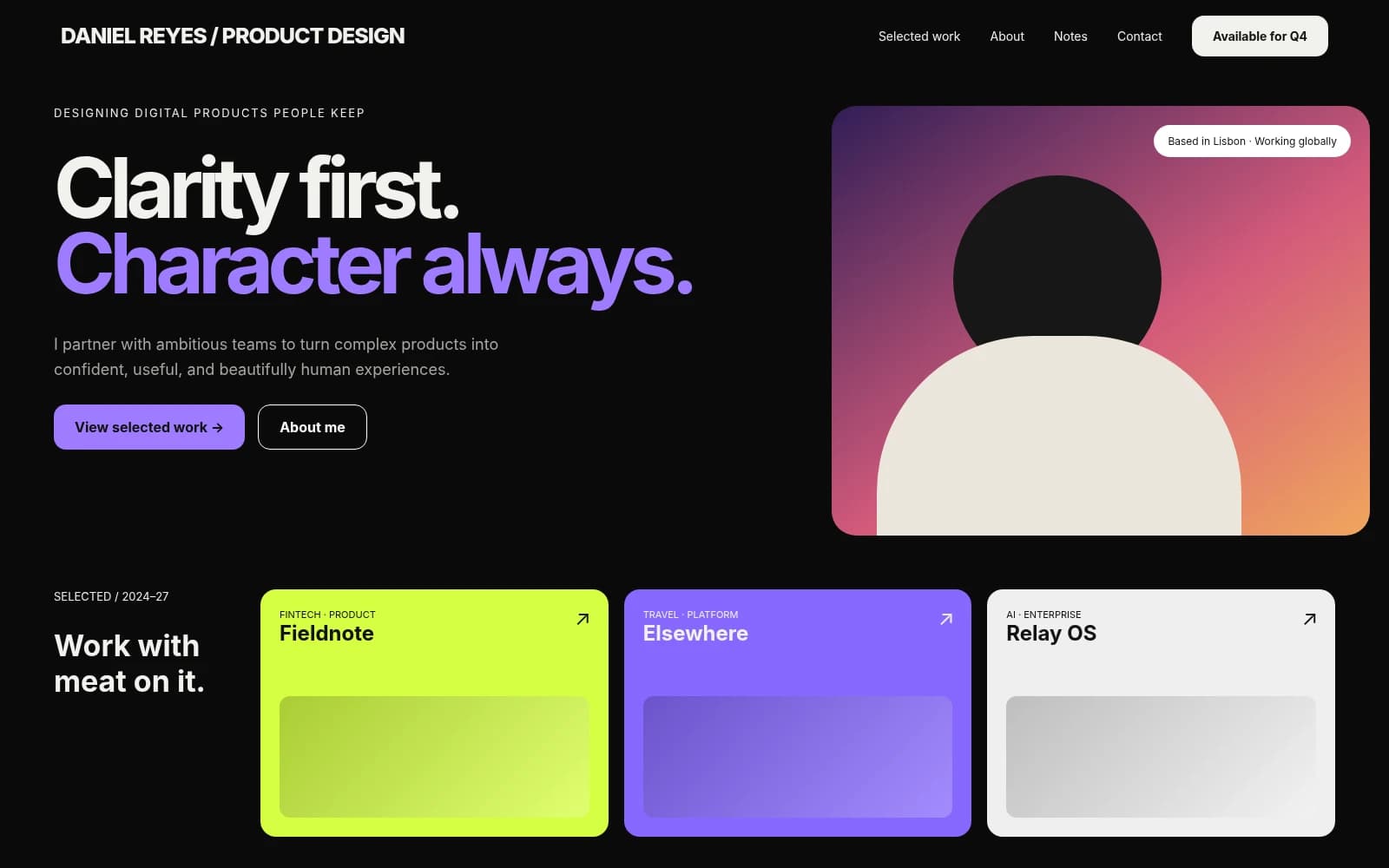
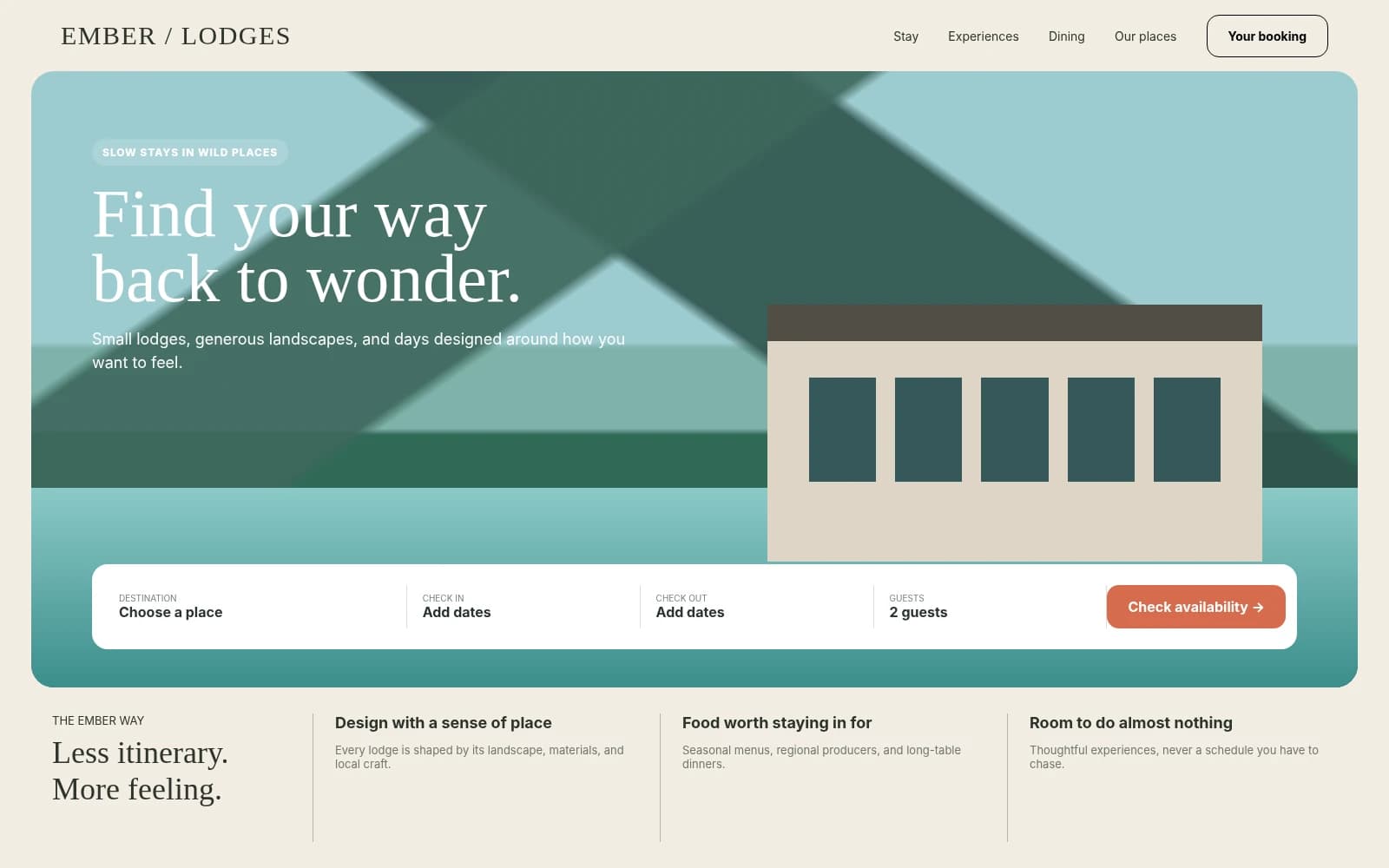
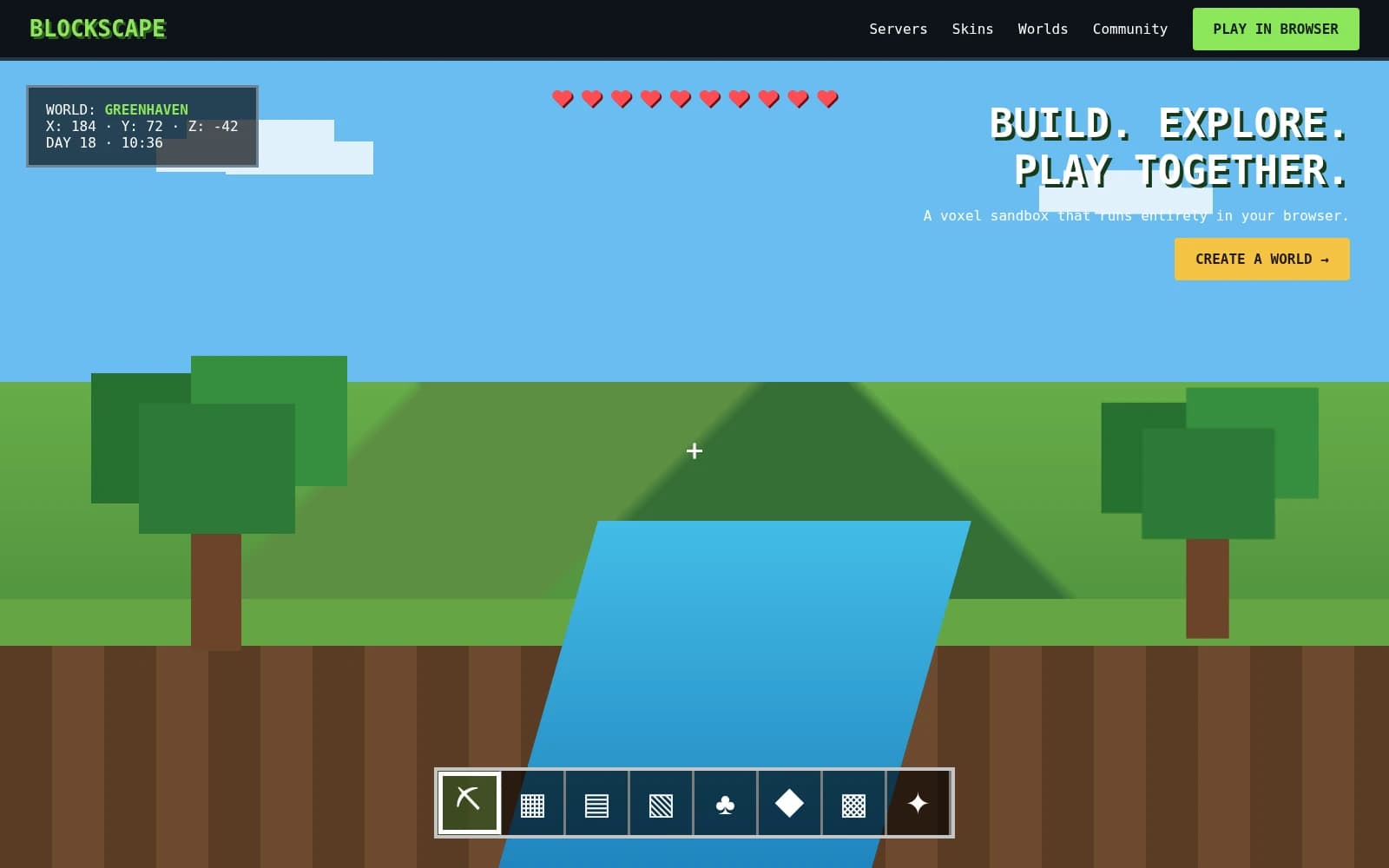
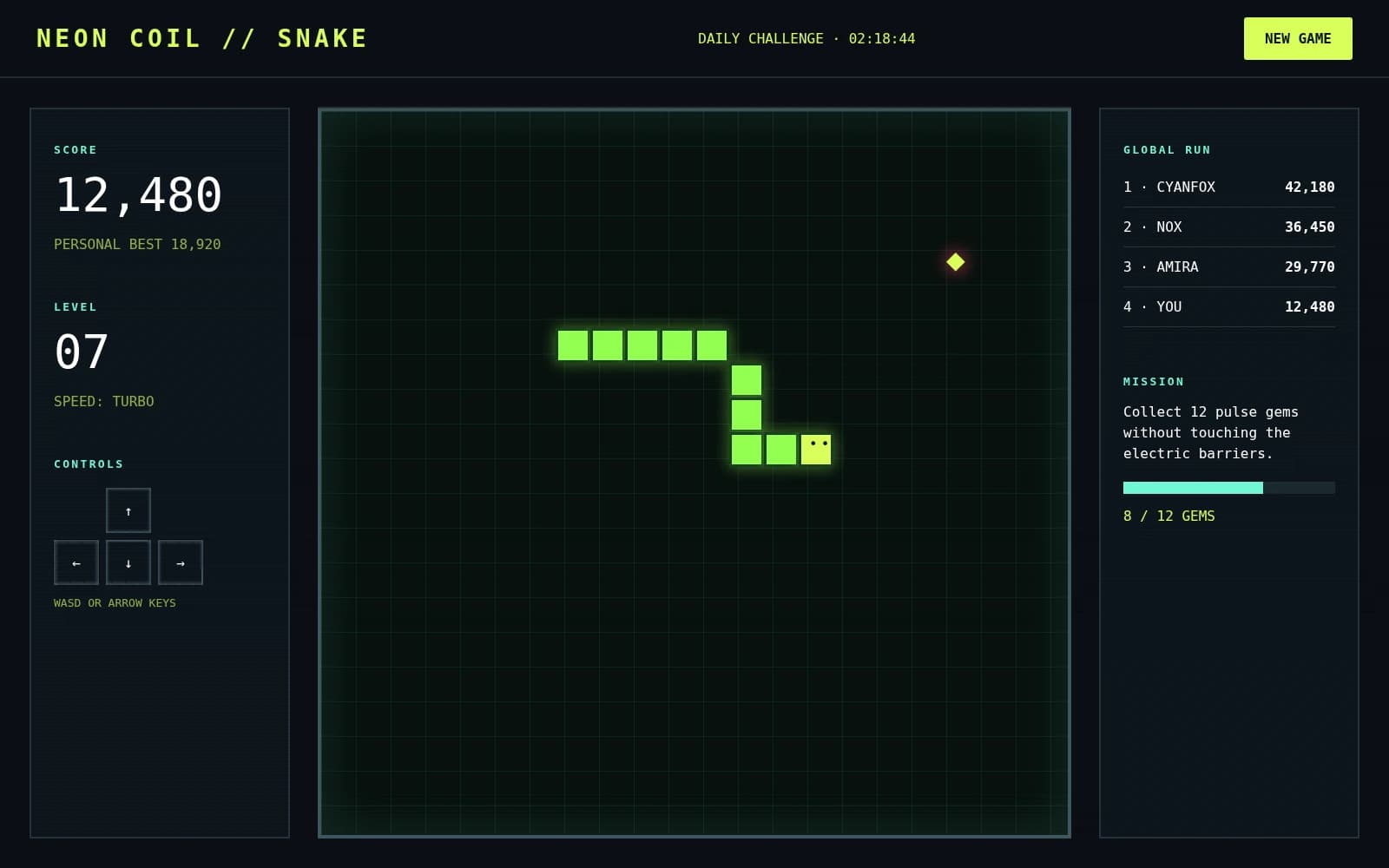
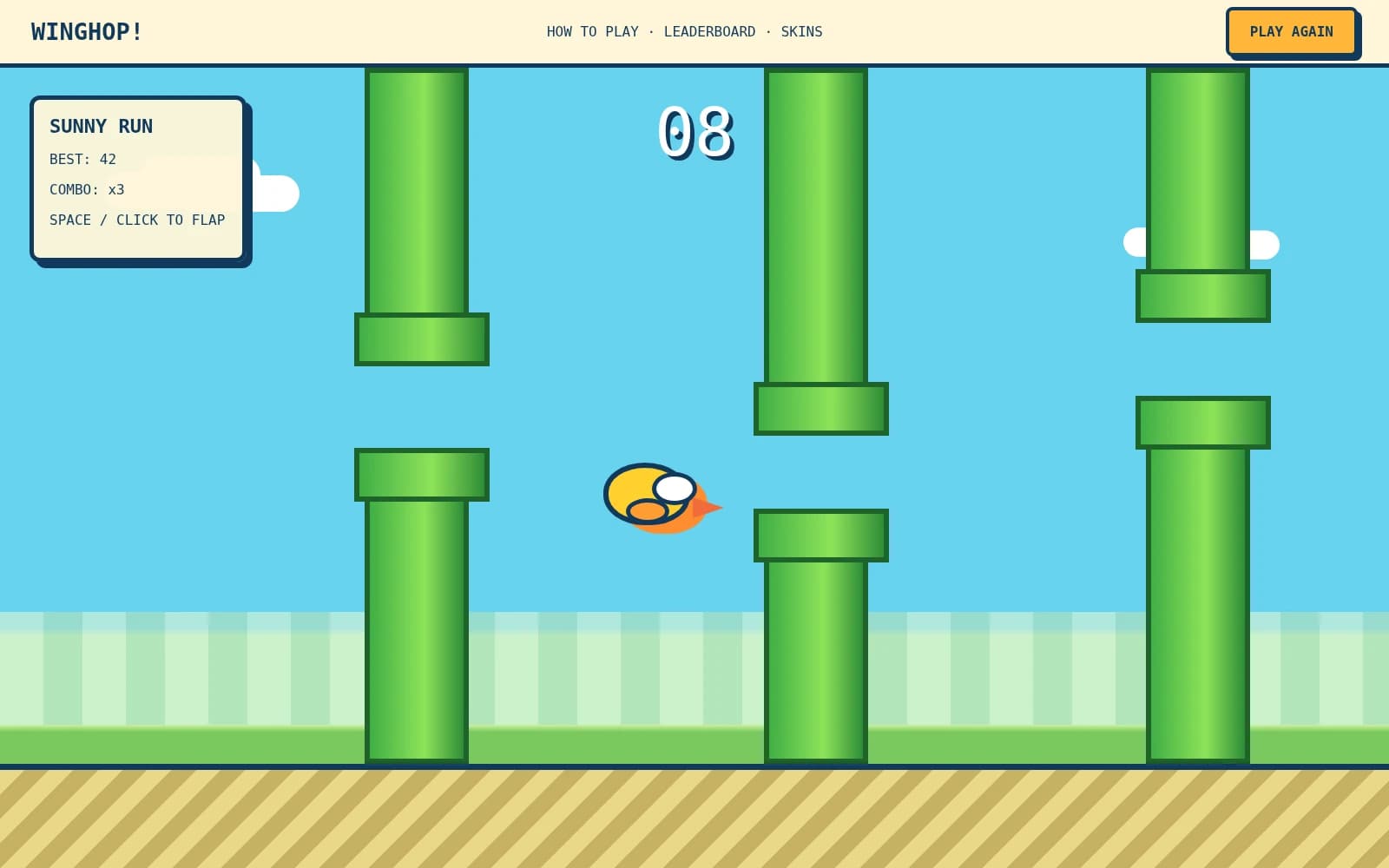
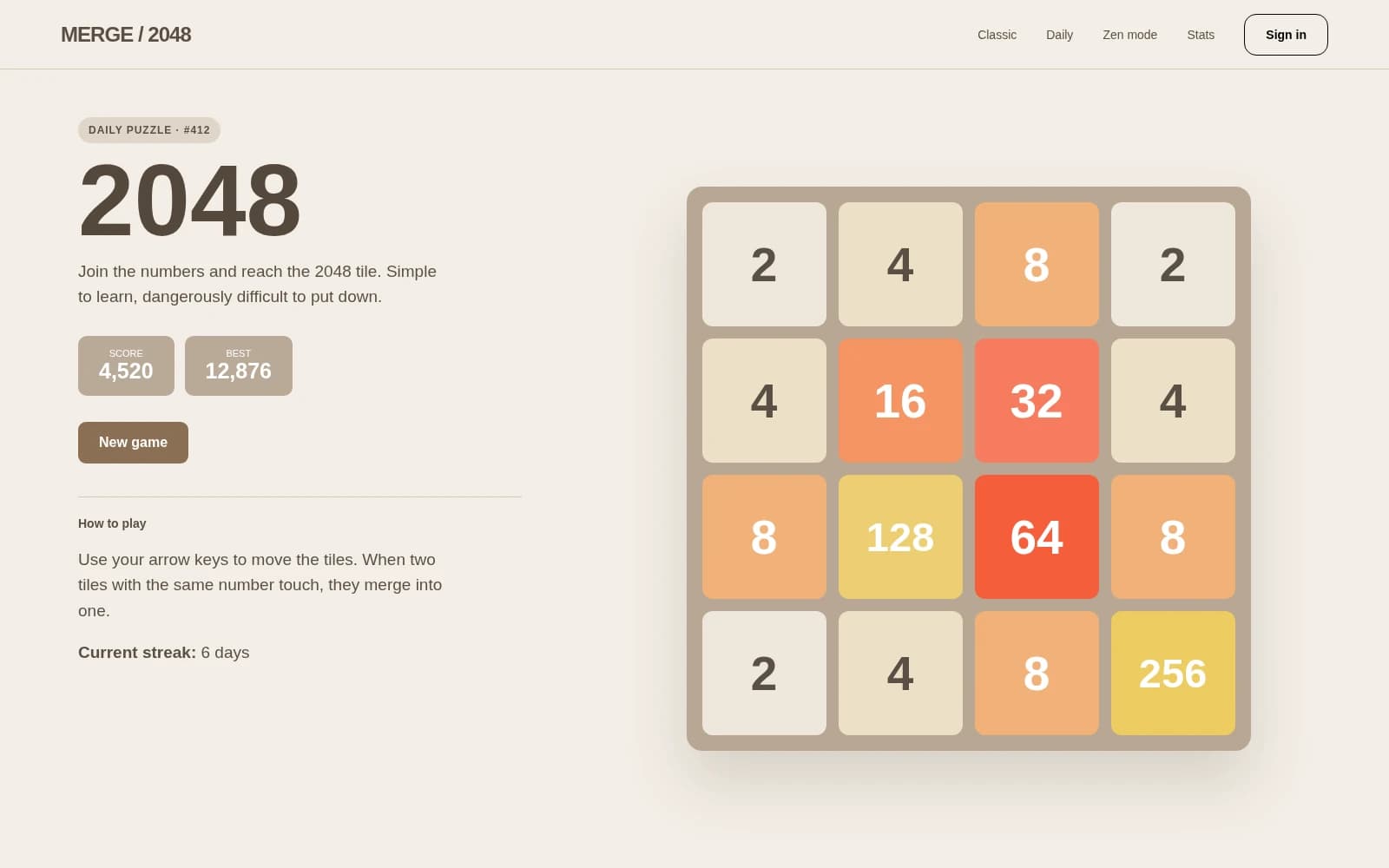
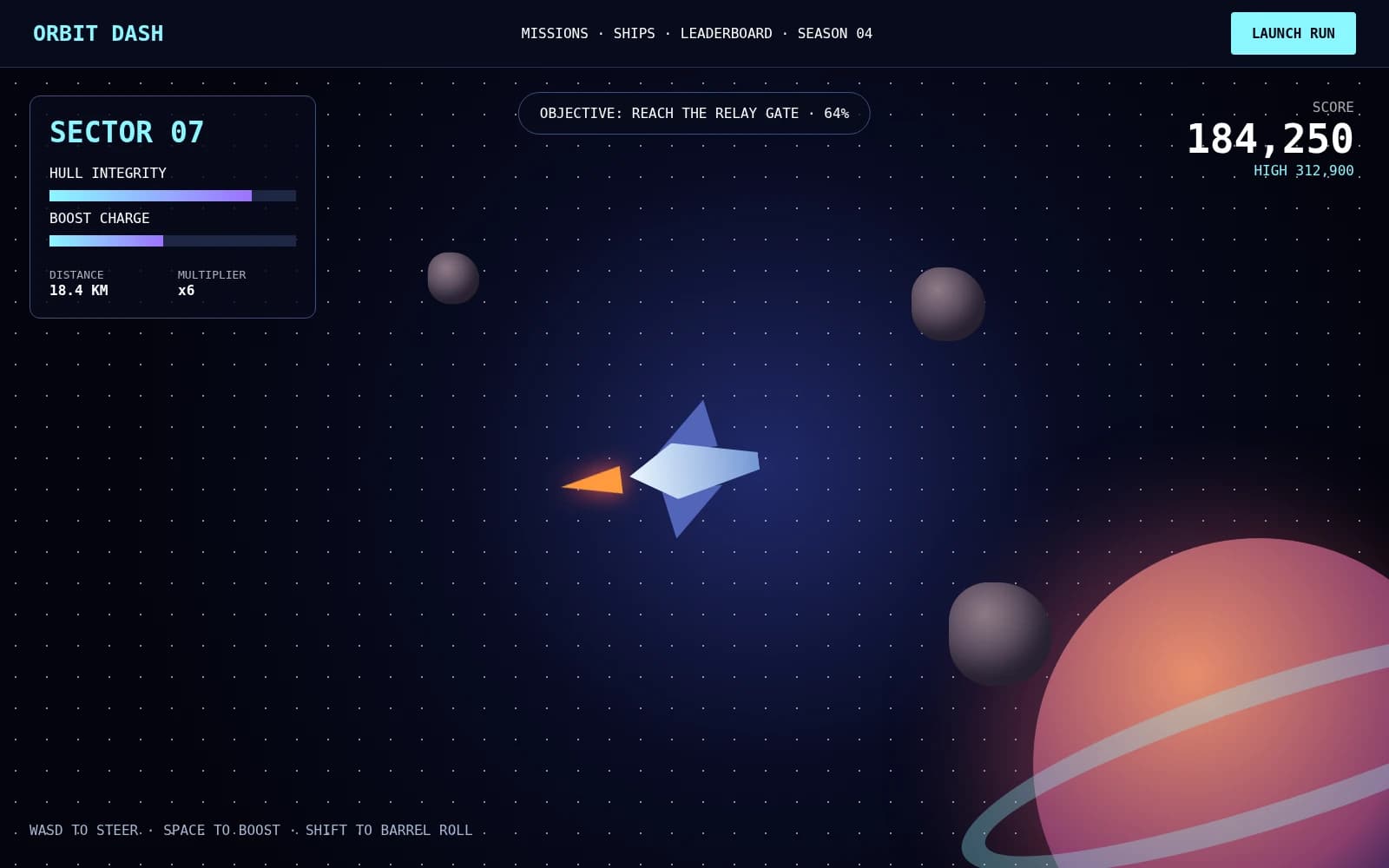
- Live at its own address
- minutes after you describe it
- Sees only what you list
- field by field, enforced server-side
- Undo a bad deploy
- in one click
- Your brand, throughout
- logo, colours and fonts
The part most AI app builders skip.
An app cannot read your workspace just because it lives in it. Each data binding names one collection, the operations allowed on it, an explicit list of readable fields, and a filter the server enforces — one that the browser cannot widen, however the request is crafted.
- Field allow-lists: unlisted fields are never sent to the client
- Server-enforced row filters, so a visitor only ever sees their own records
- Per-binding operations — a form can insert without being able to read
- Workflow bindings expose exactly one webhook, and nothing else
customer_id = session.user_idFrom private draft to public site.
Every app picks who it is for: just you, your team, a named invite list, or the whole internet. Invited apps get a branded sign-in screen you can restyle by describing the change.
- Just me, team, invited, or public — changed at any time
- Branded guest sign-in with your logo, colours and copy
- Optional self-signup for apps that want to grow their own audience
- SEO controls, social image and favicon on the app itself
Deploy, preview, roll back.
Apps build to a real bundle with a deployment history. Preview before you publish, and if a change goes wrong, put the previous version back immediately.
- Live preview sessions before anything is published
- Checkpoints and one-click rollback to any earlier deploy
- Remix any app into a new one to branch an idea
- Your own brand kit — logo, colours, fonts — applied throughout
Yours, not rented
A real address
Every app is live at your-name.cheqq.site from the moment it builds. No servers, no deploy pipeline to babysit.
Wired to your data
Apps read and write the same collections your automations use, so the site and the operation never drift apart.
Auditable by construction
Access is declared, not inferred. You can read an app's bindings and know exactly what it can touch.
Changed by describing it
Restyle, add a page, or change what a form collects the same way you built it — in words.
Questions about apps
Can an app expose data I did not intend to share?
Access is default-deny. An app can only read the collections, operations and individual fields you list, through a row filter the server applies on every request. Fields you leave out are never sent to the browser at all.
Can I use my own domain?
Yes, on the Business plan — Cheqq gives you the DNS records, verifies them, and issues the certificate. Custom domains are currently in early access.
What happens if a build breaks the live app?
Nothing, until you publish it. Builds are previewed first, and every deploy is a checkpoint you can roll back to in one click.
Works with the rest of the workspace
Put something live
Describe the app you need and watch it go live at its own address. Free to start, no credit card.
Start free